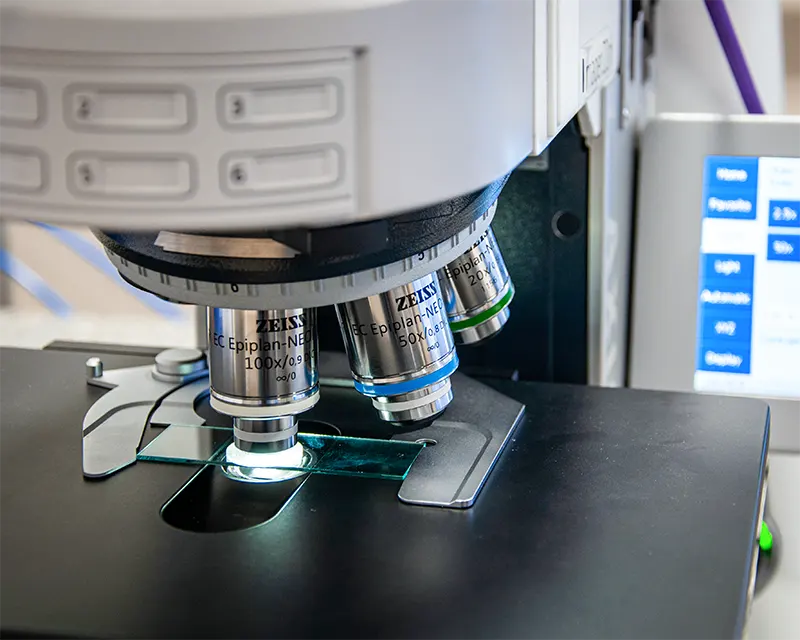
LA.TE. ANDES’s equipment supports every result we deliver. State-of-the-art instruments to perform controlled processes with certified traceability: the technical foundation that guarantees reliable results for every dating analysis.
Facilities
Knowing our facilities means understanding how we work. This floor plan outlines the laboratory’s production and service areas, showing the physical infrastructure that supports each stage of the analytical process, from sample reception to results delivery.
Equipment
Every analysis we perform is supported by specific technology. Here is an overview of our equipment, organized by the areas of application we serve, reflecting the diversity of technical capabilities that underpin the quality and precision of the geochronological services we offer.
Milling
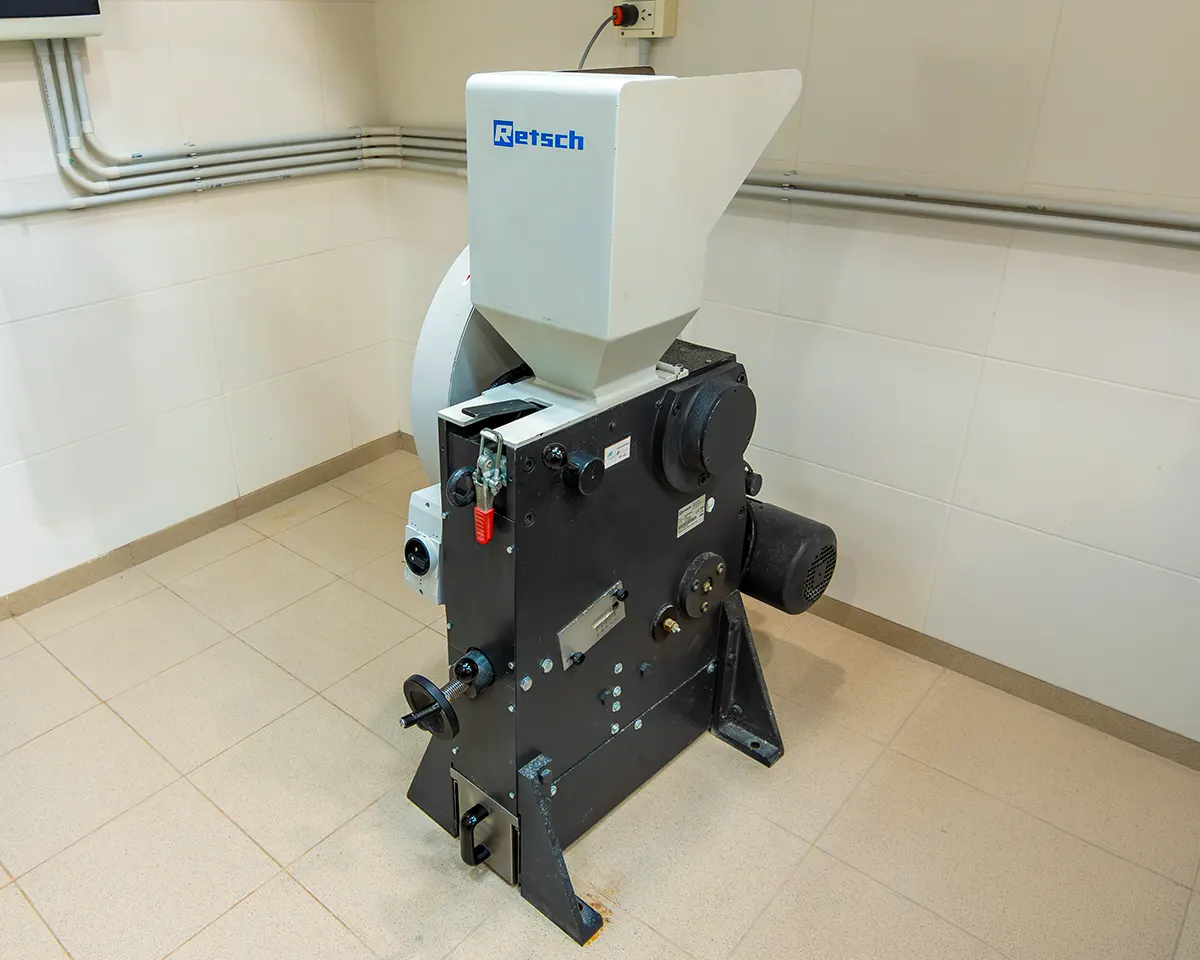
Retsch BB200 Jaw Crusher
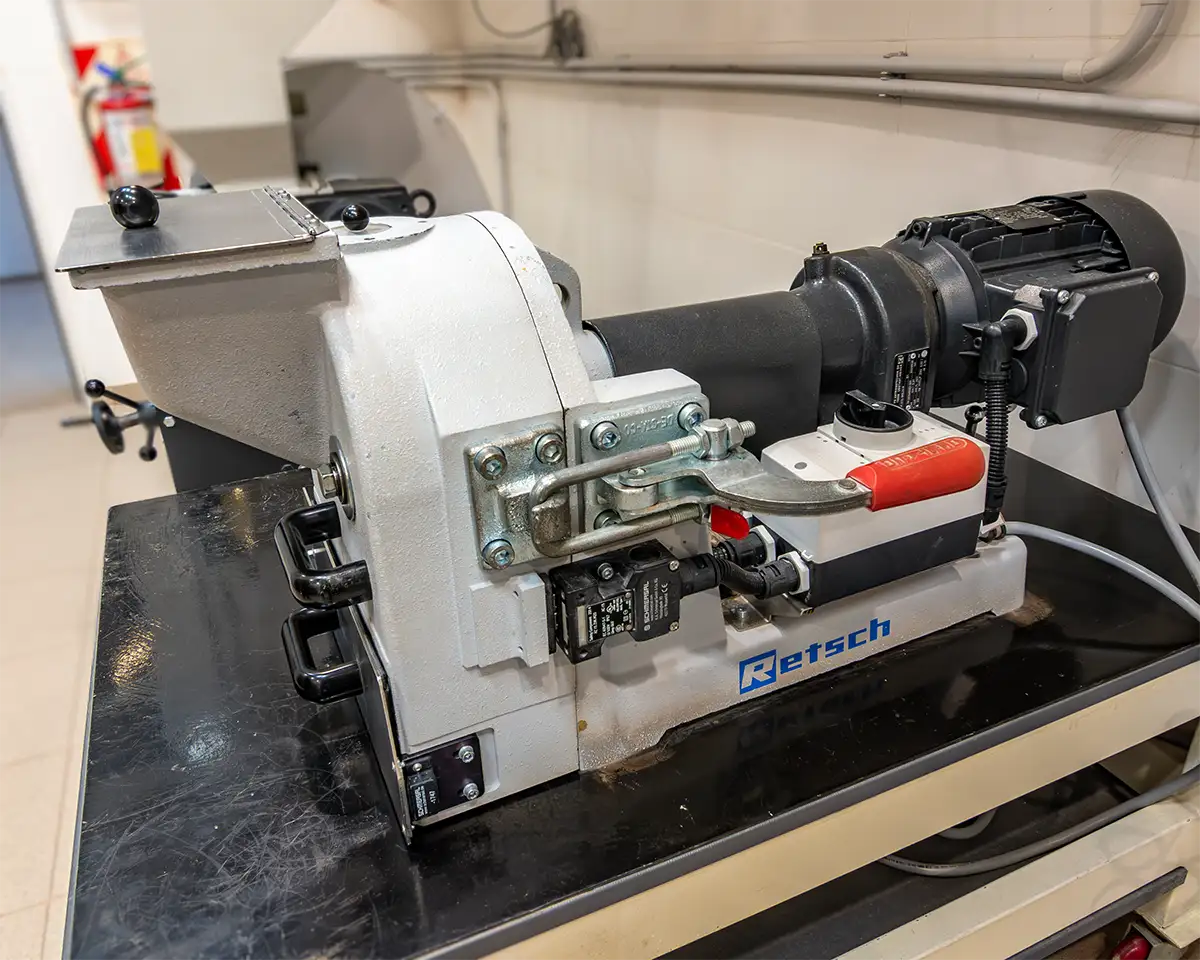
Retsch DM200 Disc Mill
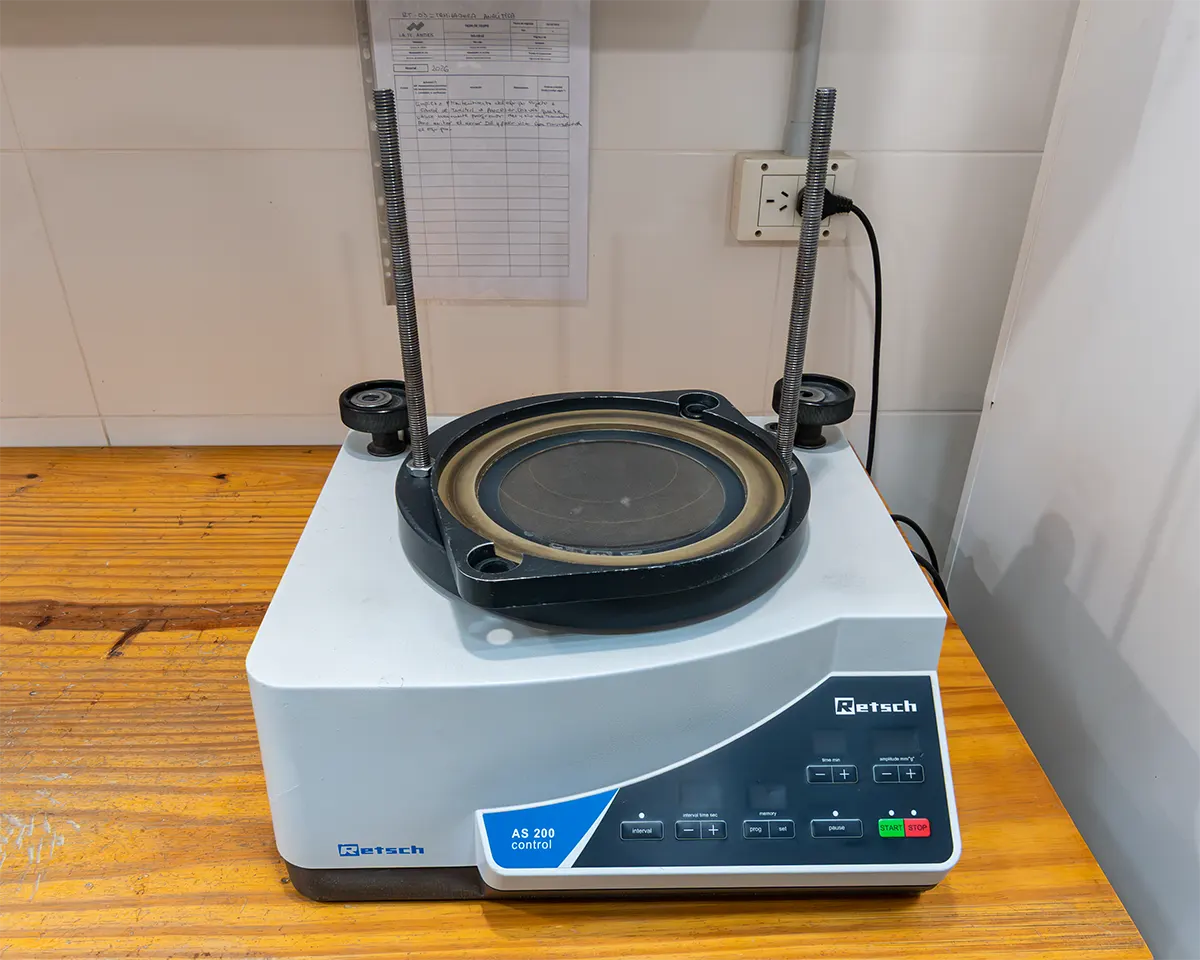
Retsch AS200 Control Analytical Sieve
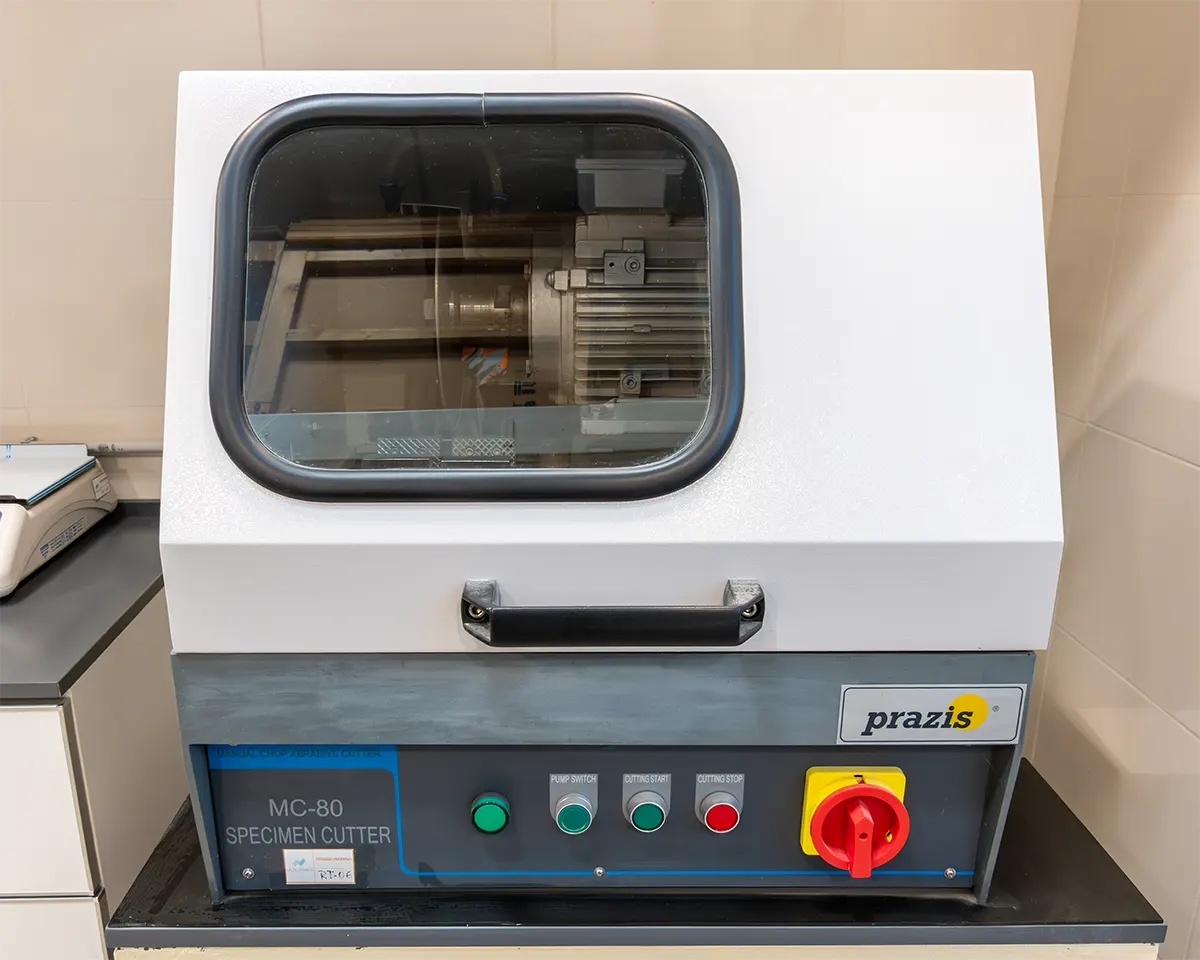
Prazis MC-80 sample cutter
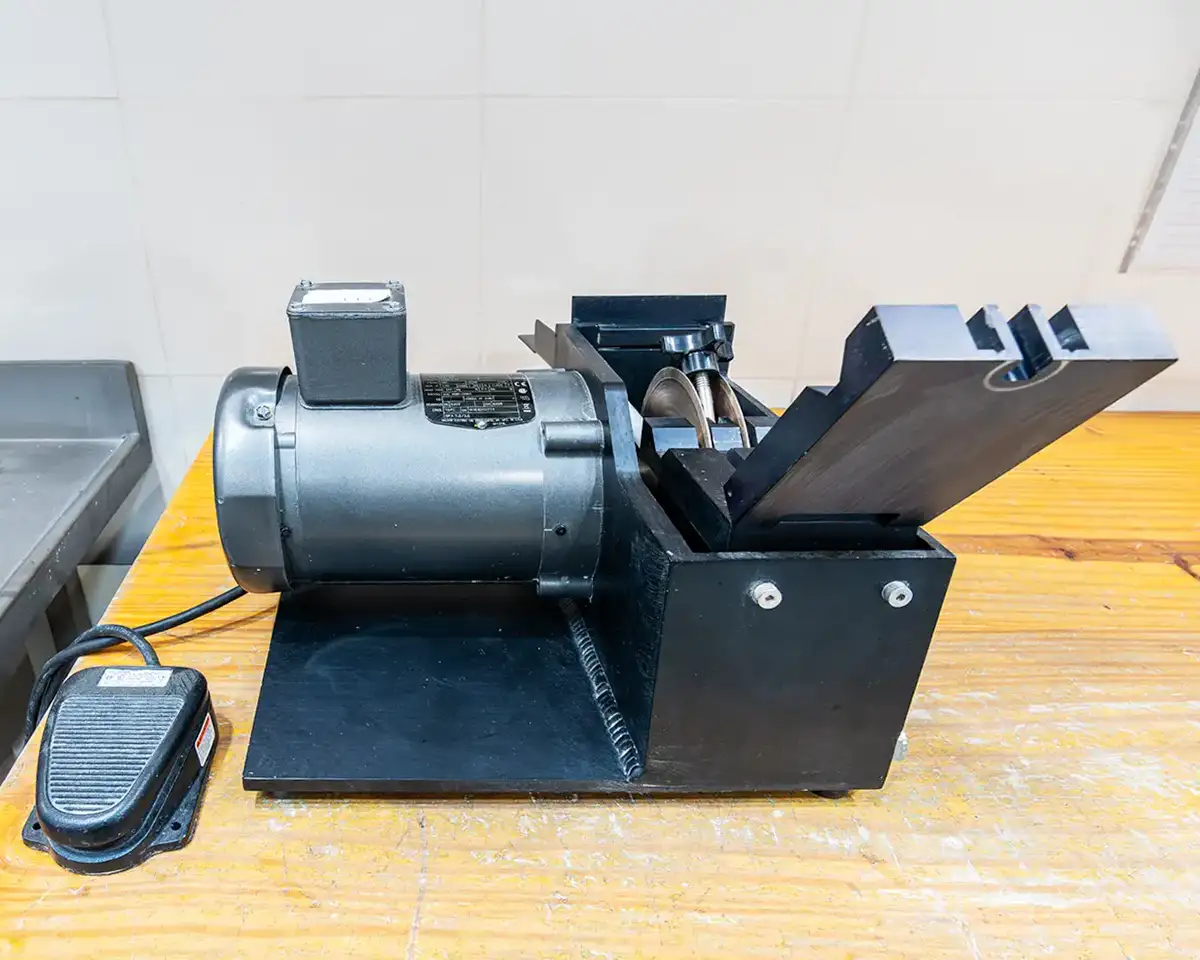
Baldor Reliance SM1 Double-Blade Saw
Mineral separation
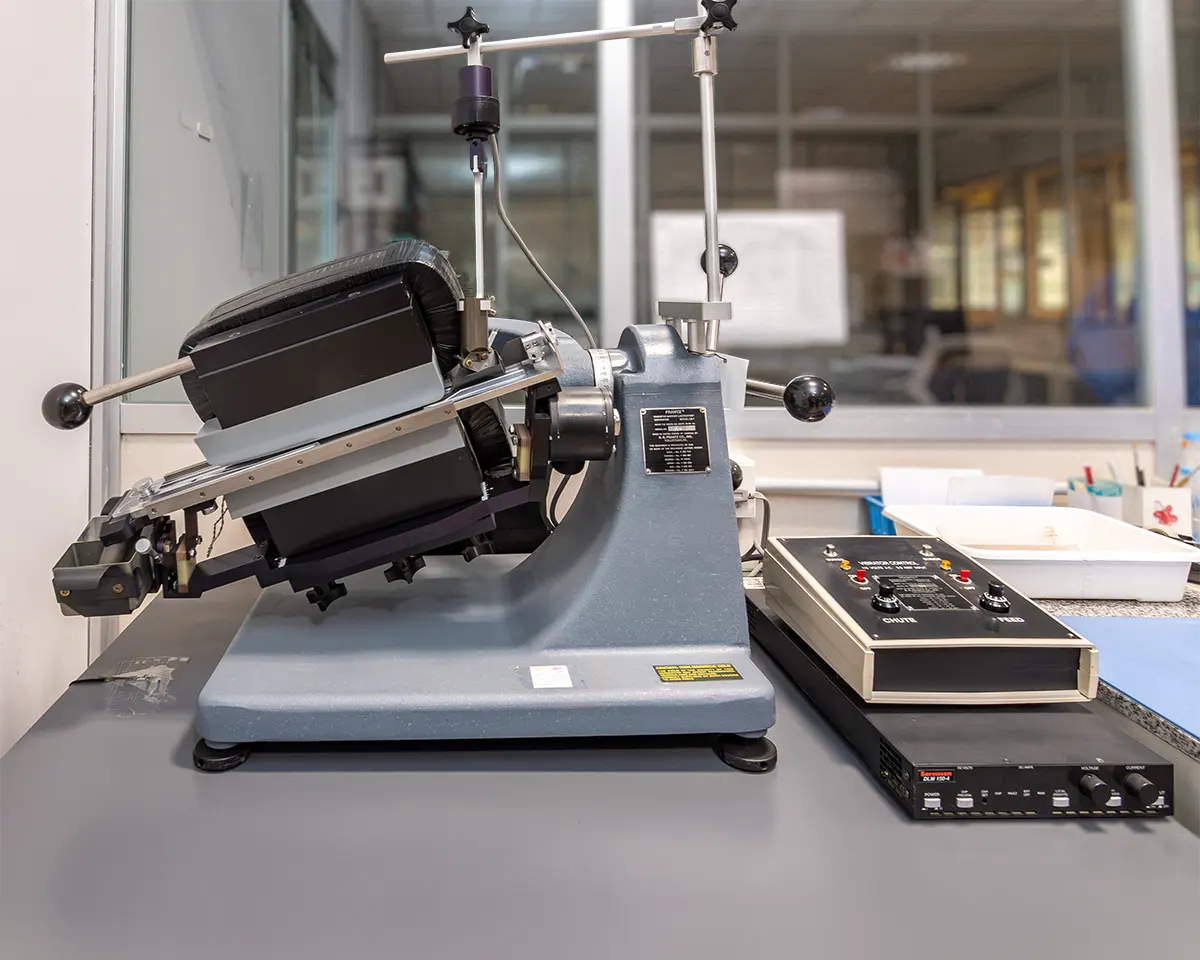
Frantz LB-1 Magnetic Separator
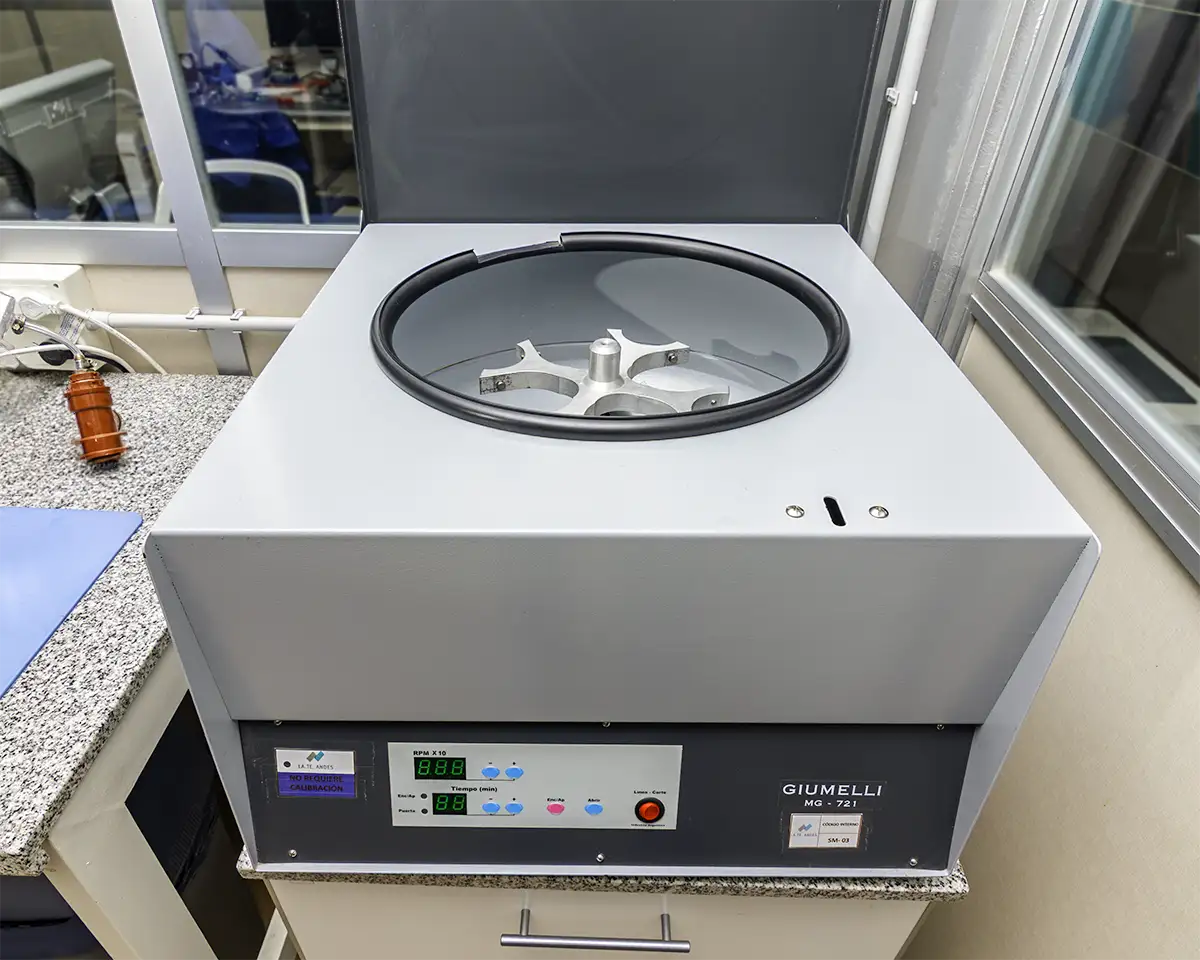
Giumelli MG-721 Centrifugal Separator
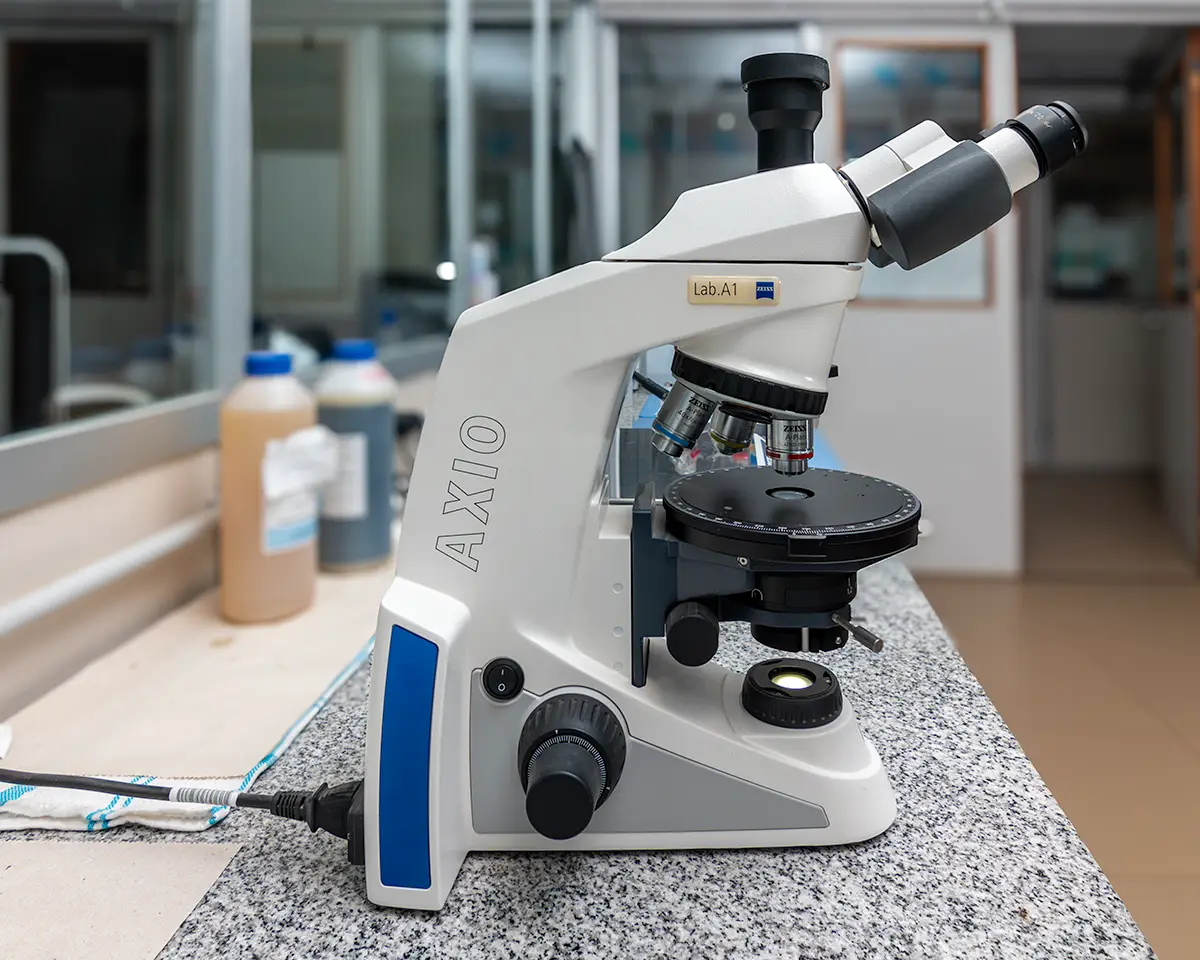
Zeiss Axiolab A1 Binocular Microscope
Mounting and polishing
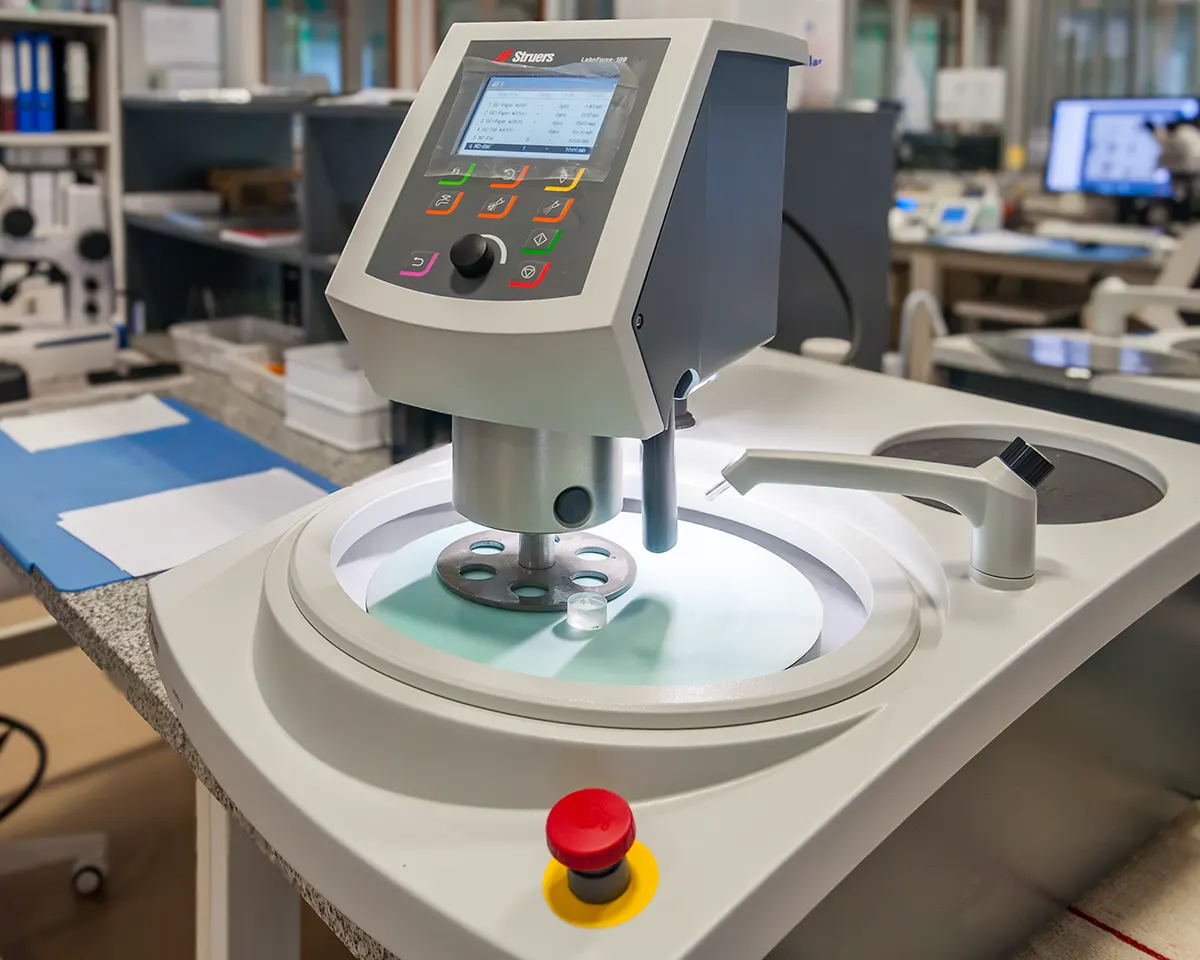
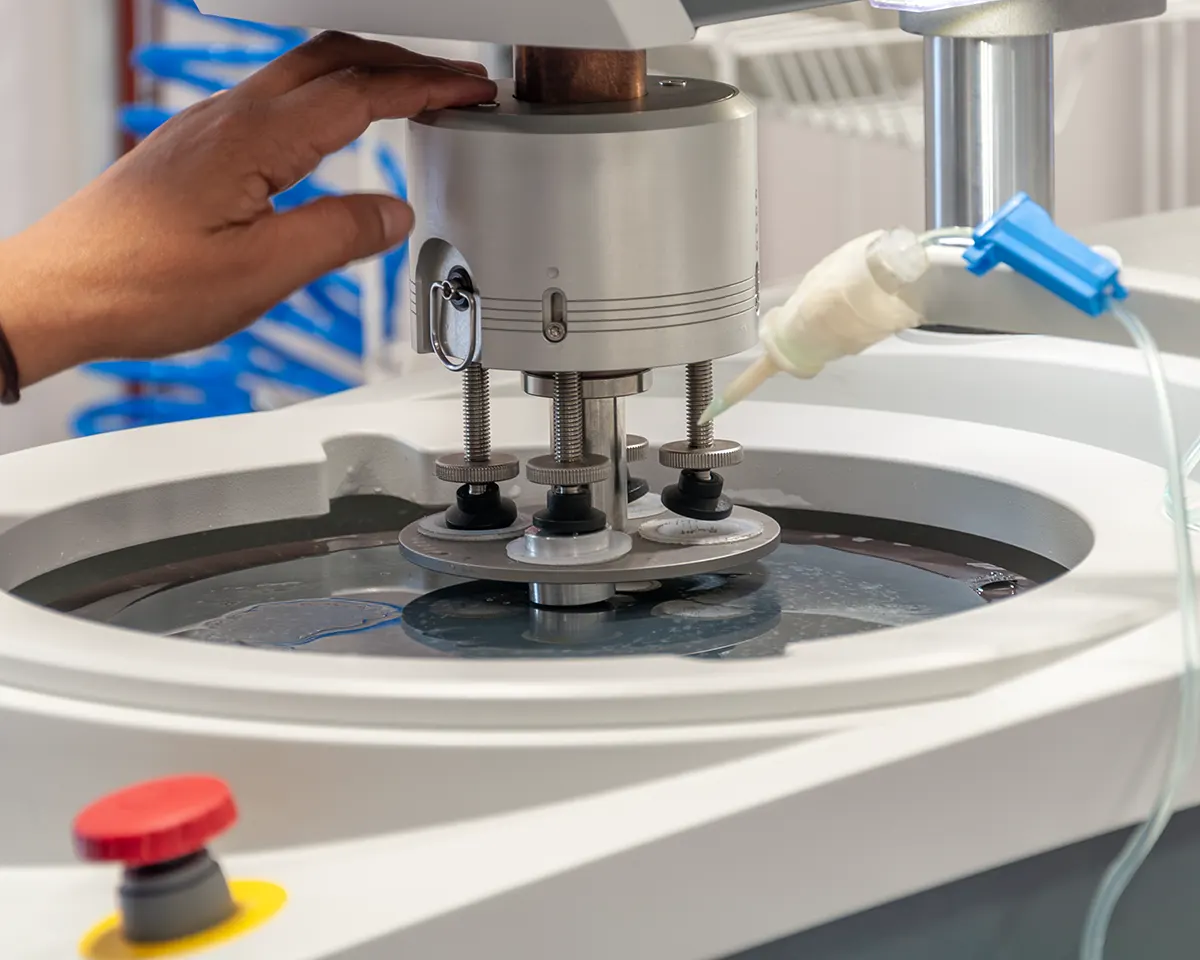
Struers Laboforce 100 Automatic Polisher
Struers Laboforce 50 Manual Polisher
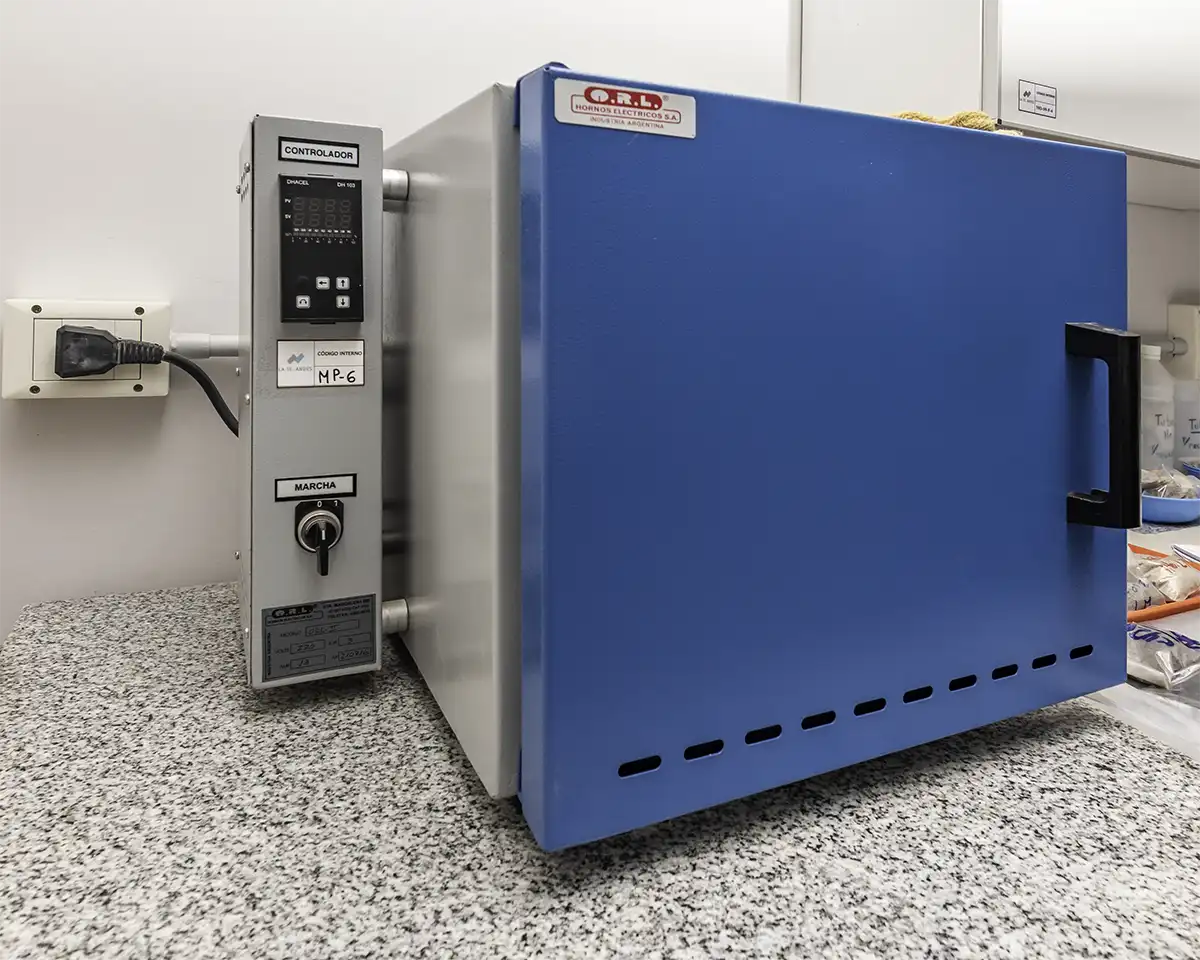
ORL ORL-II Muffle Furnace
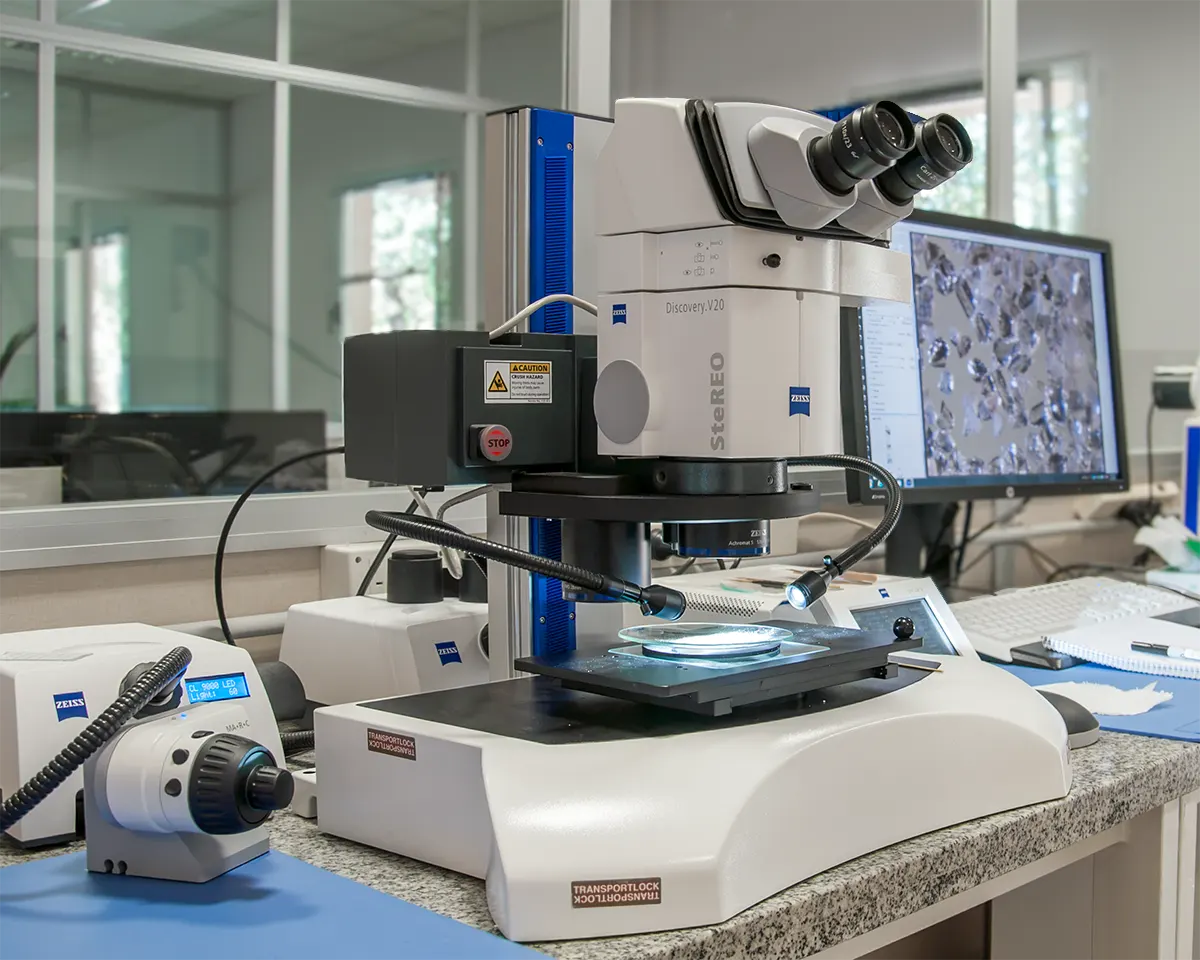
Zeiss Stereo Discovery V20 Binocular Loupe
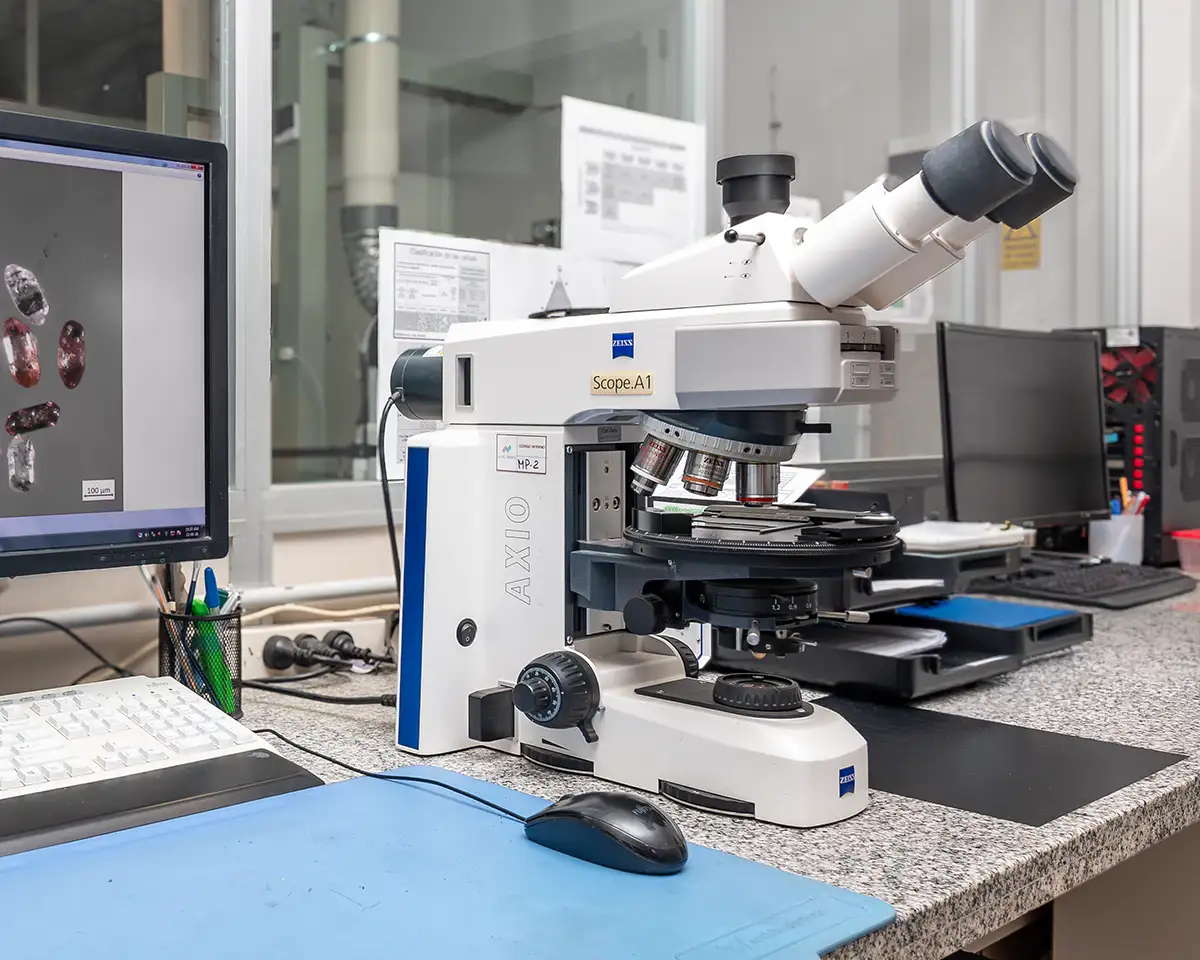
Zeiss Axio Scope A1 Petrographic Microscope
Microscopy and Raman Spectrometry
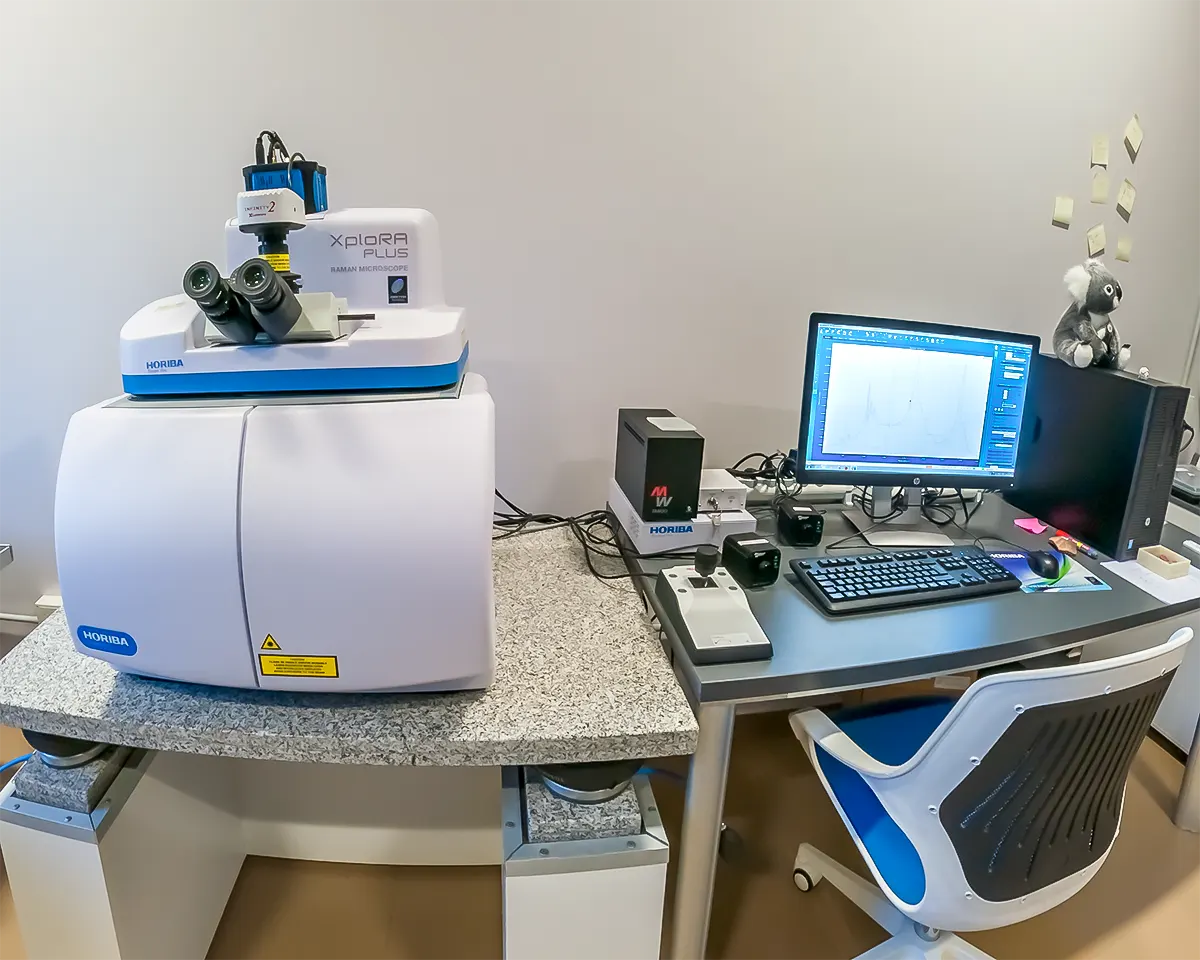
Horiba XPlora Plus Confocal Raman Microscope
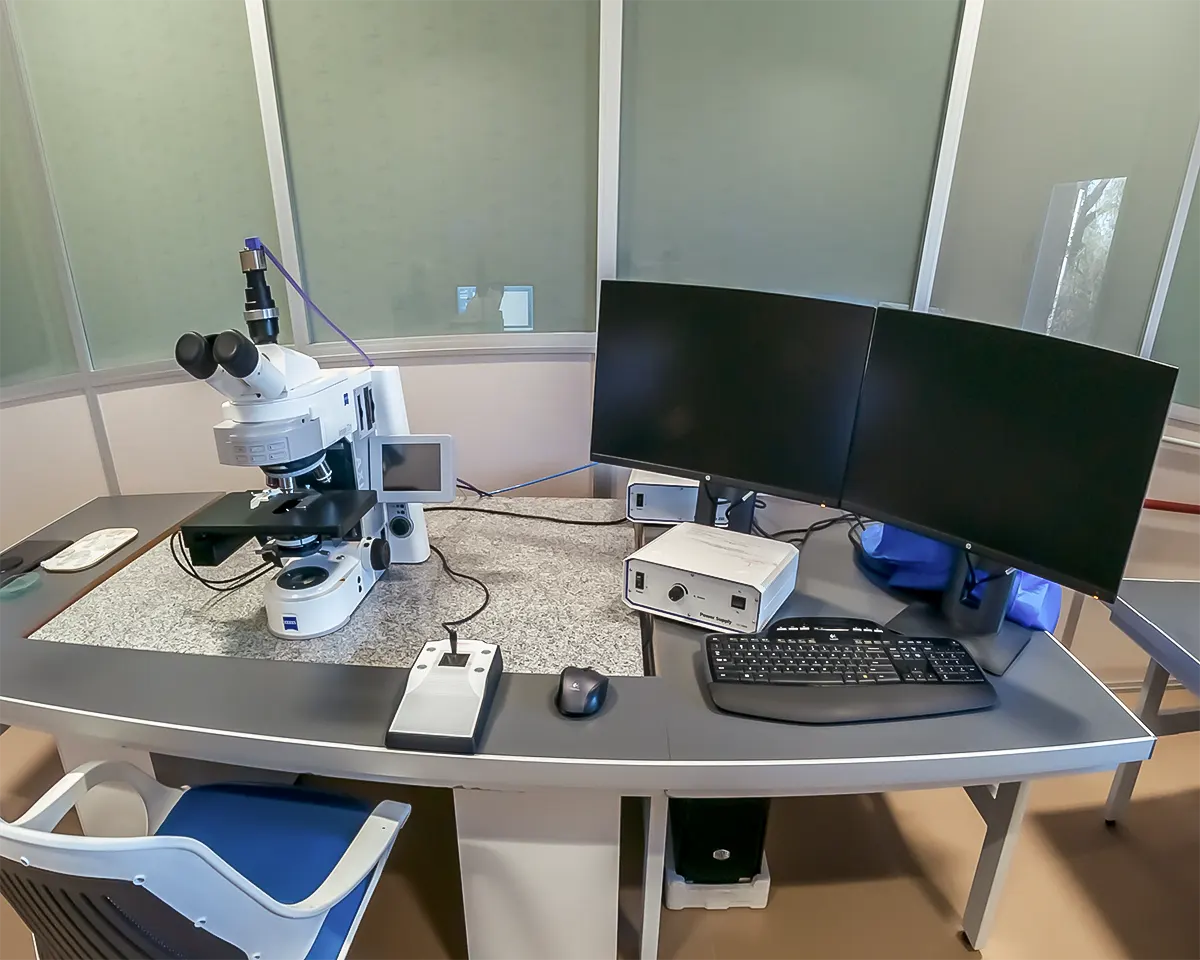
Zeiss Axio Imager z2m Wide-Field Microscope
Dating LA ICMPS (U-Th-Sm)/He & U/Pb
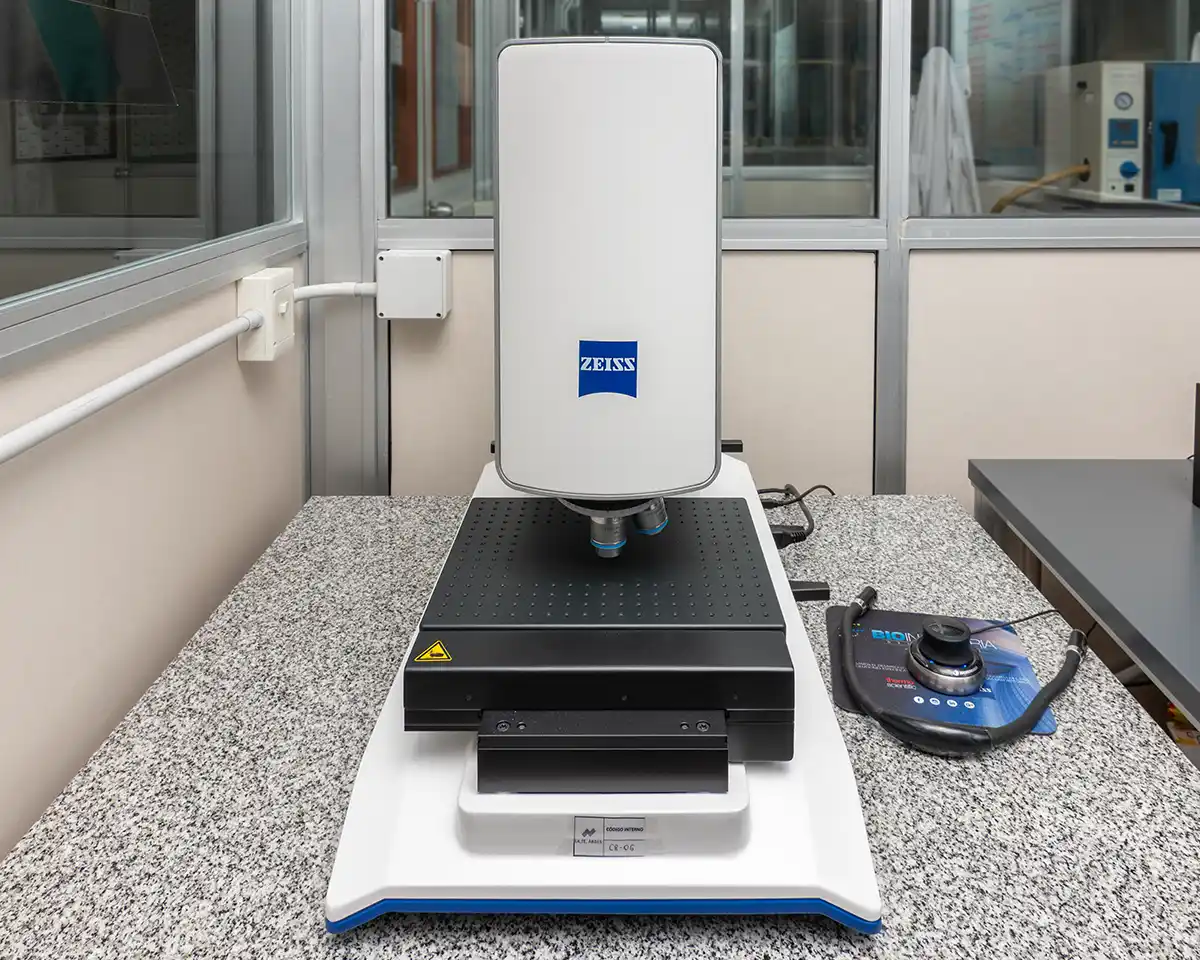
Zeiss Smartproof 5 Confocal Microscope
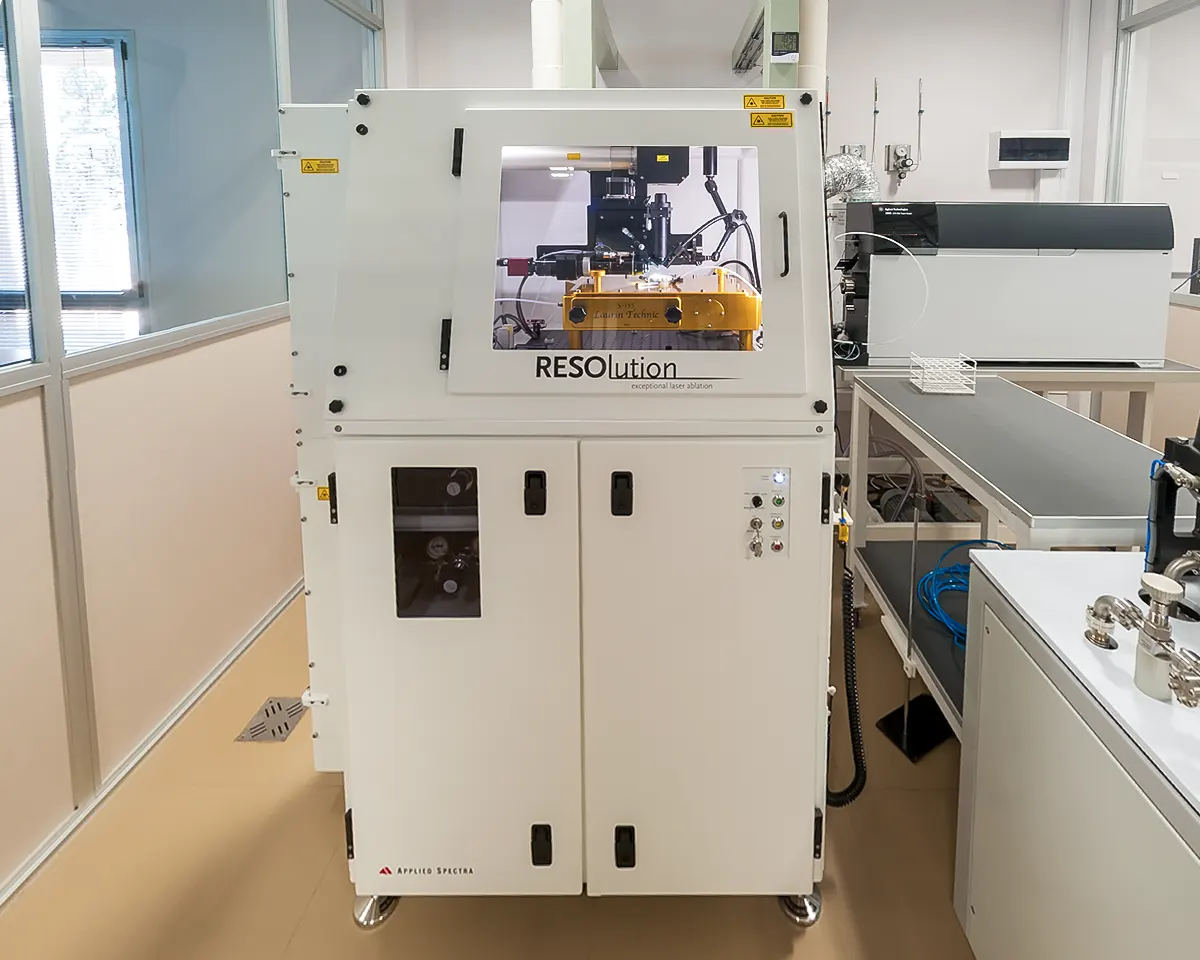
RESOlution SE Laser Ablation System
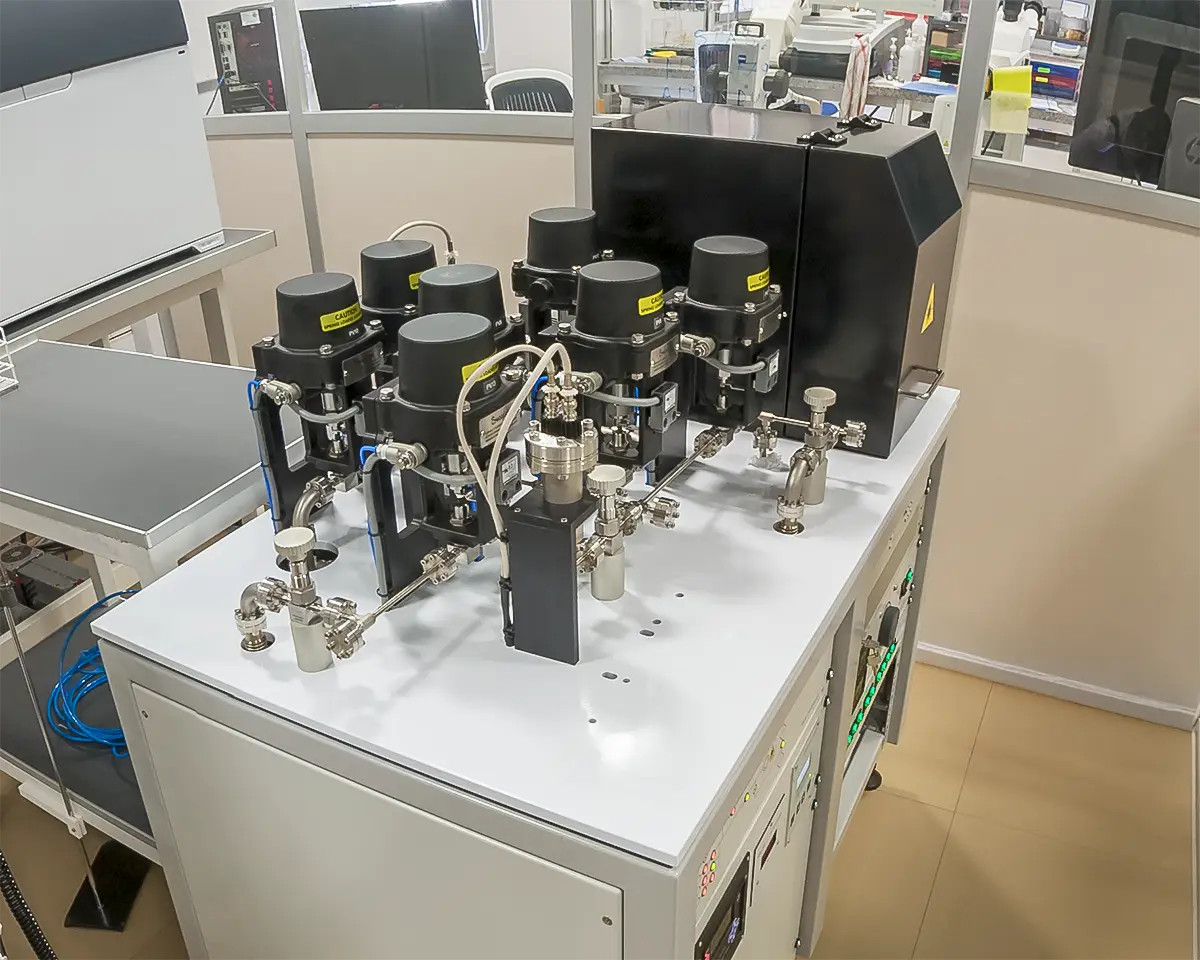
ASI Alphachron Gas Spectrometer
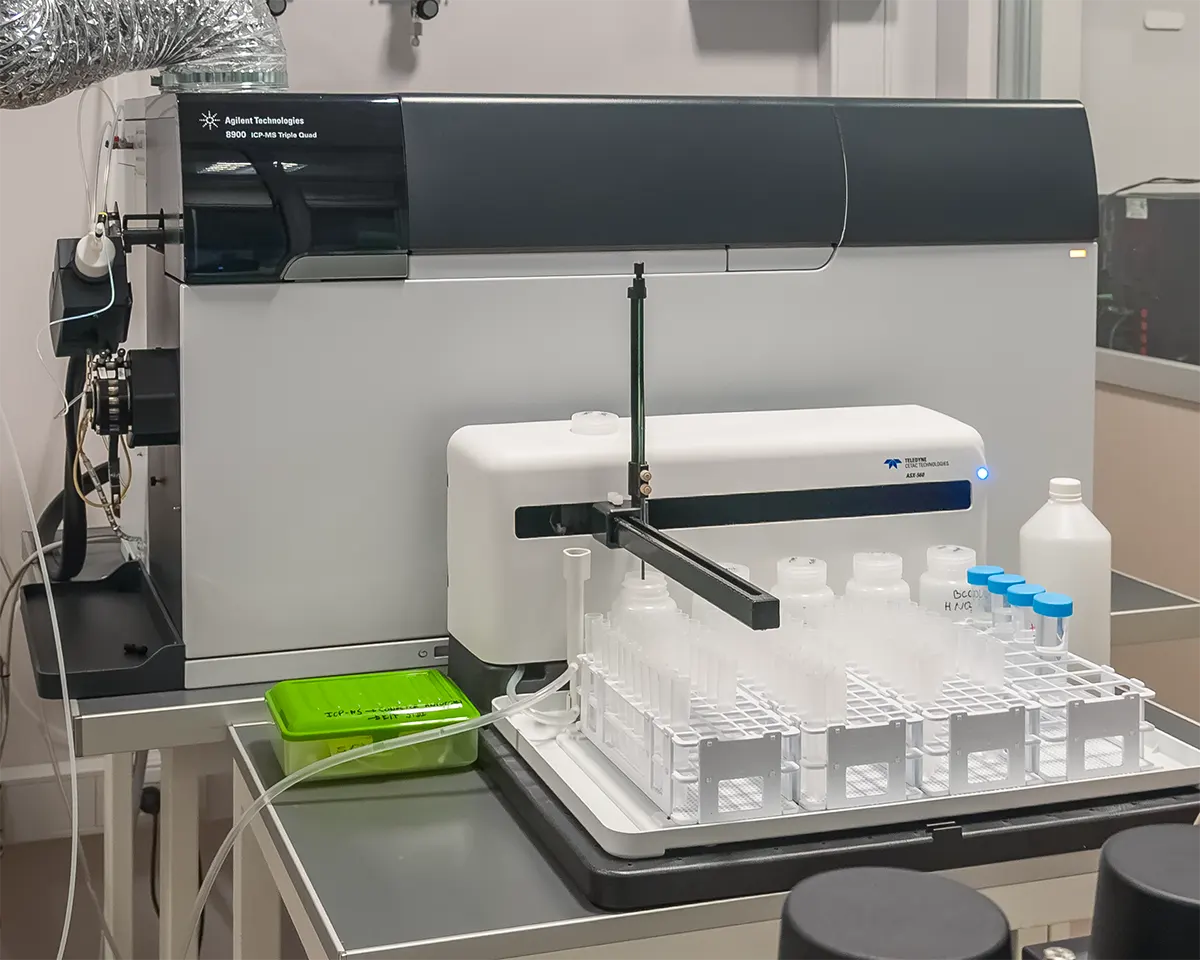
Agilent 8900 Triple Quadrupole Mass Spectrometer
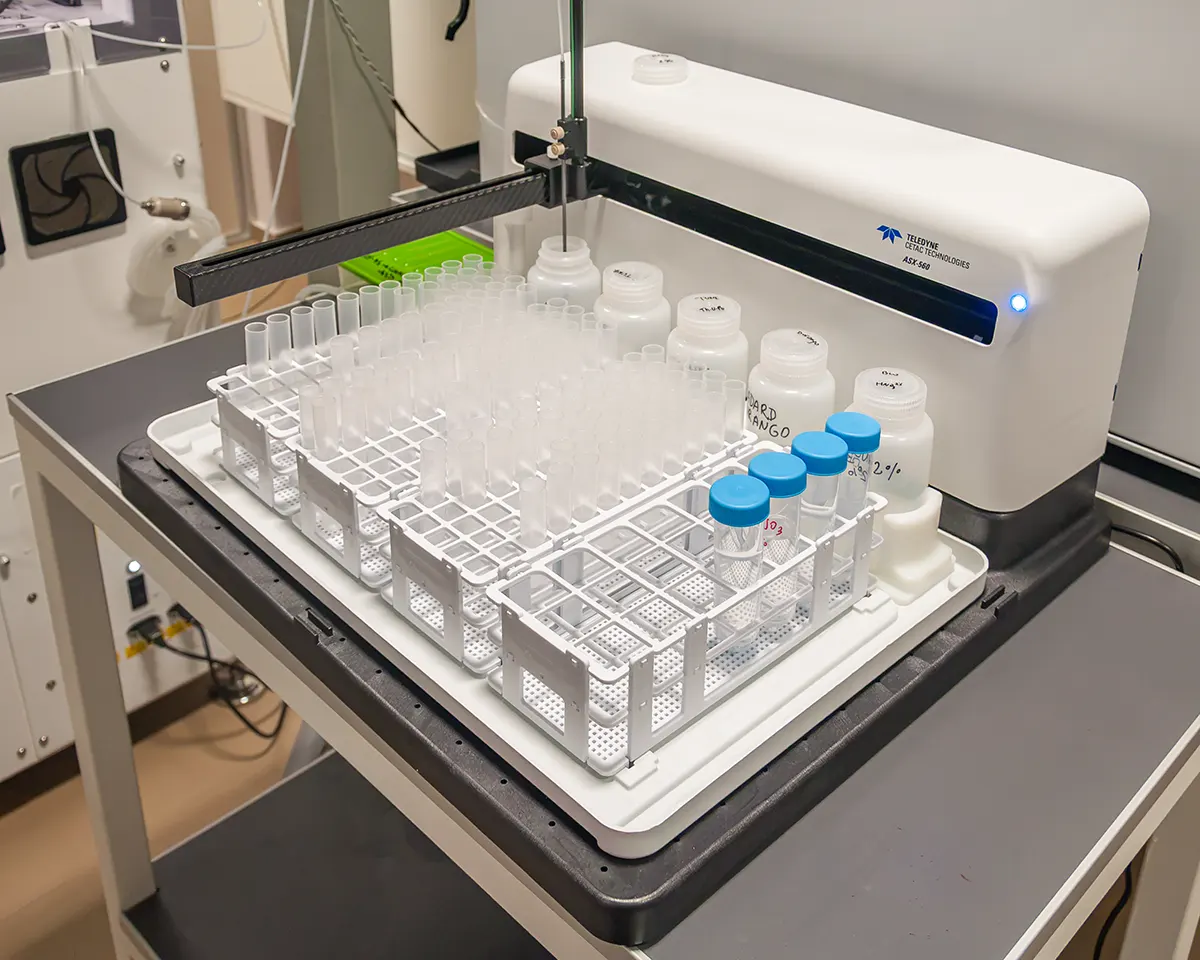
Cetac ASX-560 Automatic Sampler
Paleomagnetism
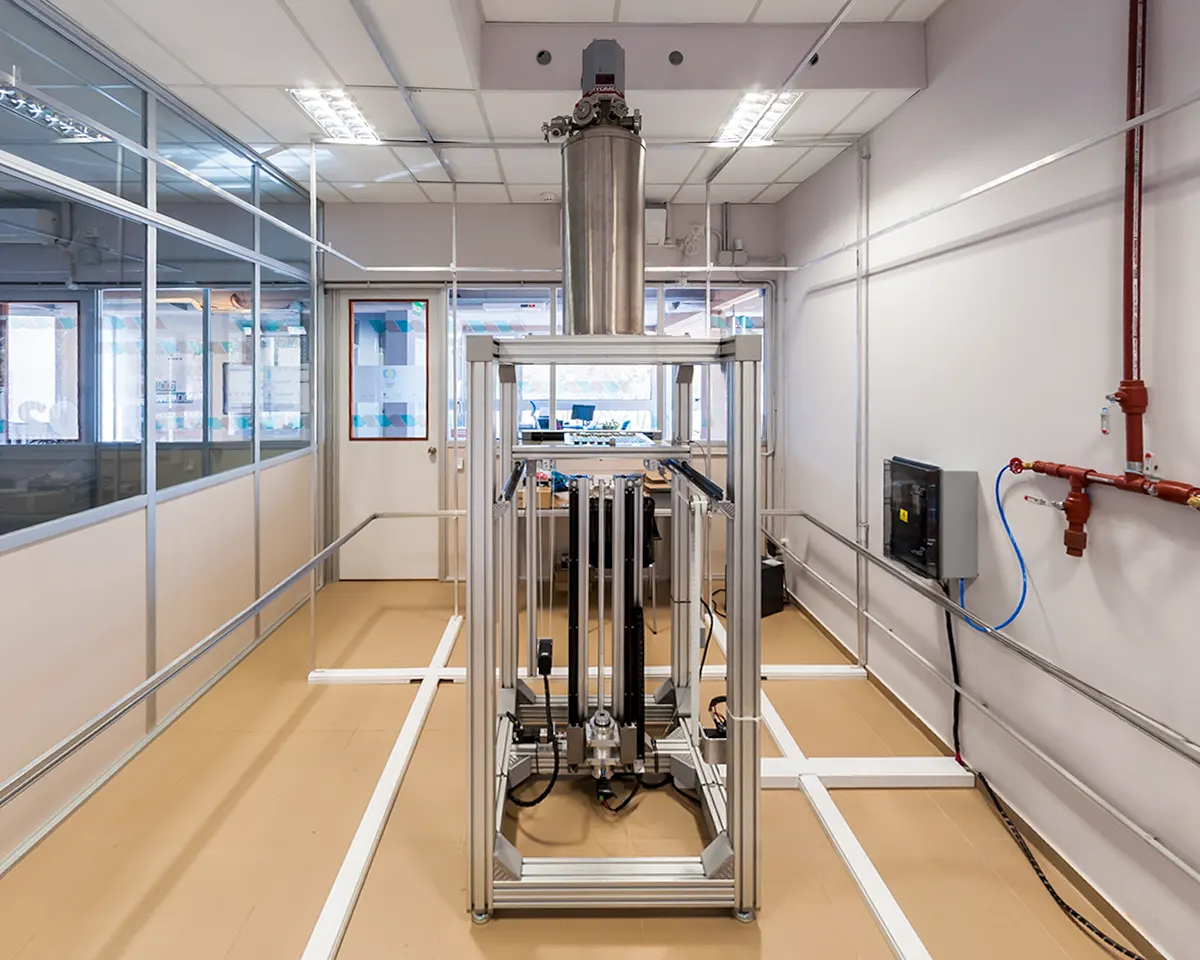
Cri.Ar. Cryogenic Magnetometer
Equipment and Instrument Development
Part of our institutional identity is the in-house development of equipment. This equipment, designed and built internally, reflects the technical expertise the laboratory has accumulated and its commitment to innovation.
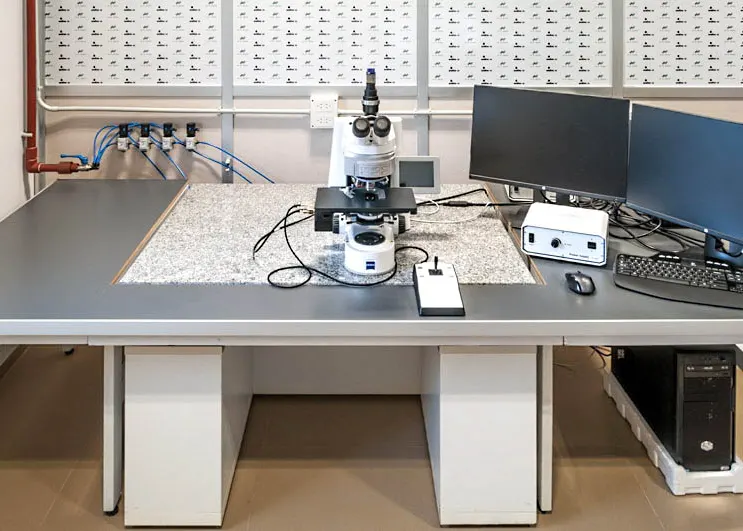
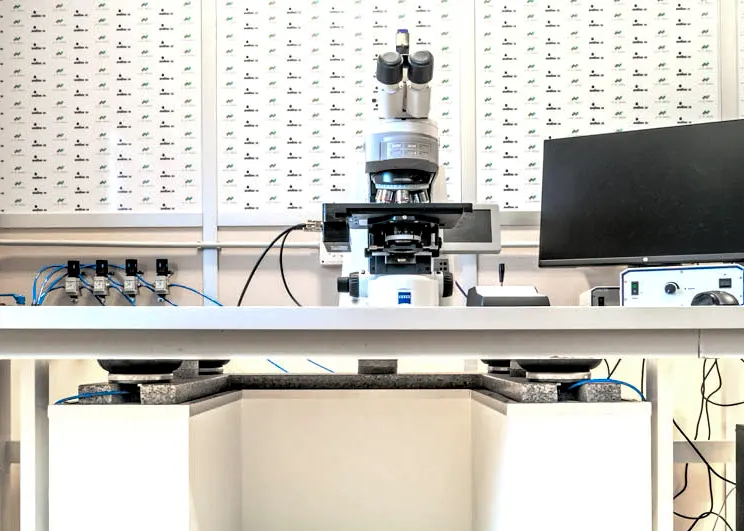
Anti-vibration tables
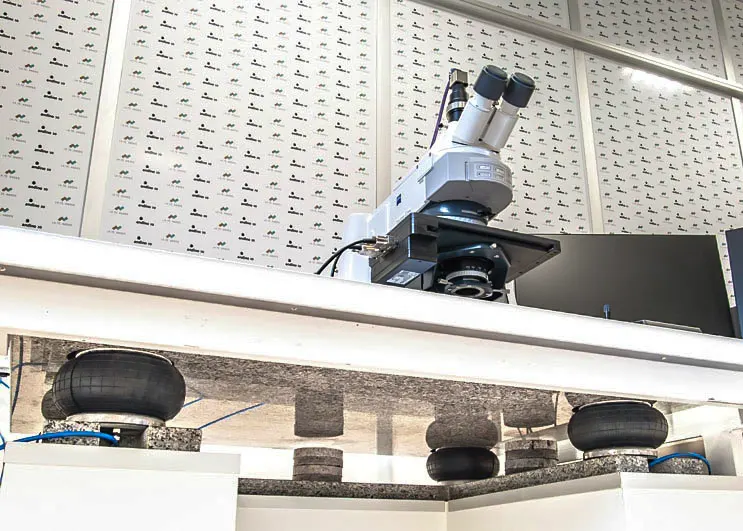
The large optical magnification used in counting of fission tracks (x1000) makes any mechanical vibration of the microscope or the sample to be observed in the resulting image, difficulting the visualization and the operation of the automatic fission track counting software.
To mitigate this problem, LA.TE. ANDES, with Endeavour Ingeniería, developed anti-vibration tables based on an original concept devised by Dr. Ulrich Glasmacher at the University of Heidelberg, Germany.
As a result, pneumatic suspension devices were made, highly effective at eliminating vibrations in the images. The residual vibrations are negligible, even under conditions of maximum magnification and in an environment of severe vibrations.
A direct outcome of this development is the fact that LA.TE. ANDES and Endeavour Ingeniería have a marketable product, very versatile and configurable according to the customer’s need for the isolation of vibrations in microscopes, optical devices, analytical balances and other similar devices.
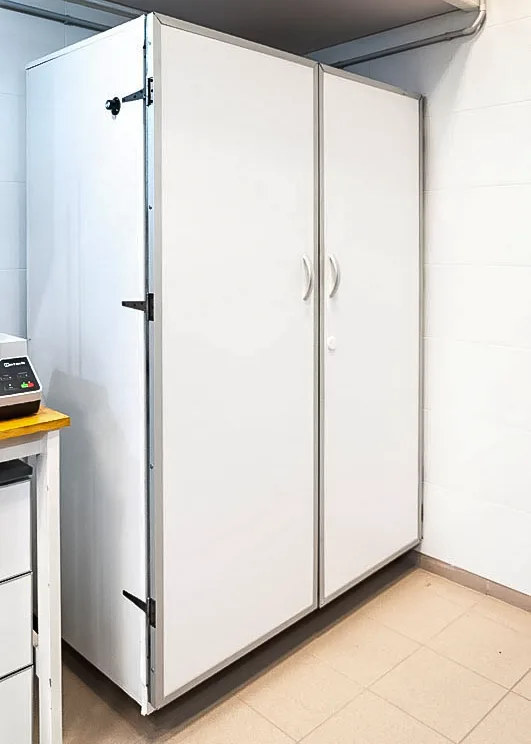
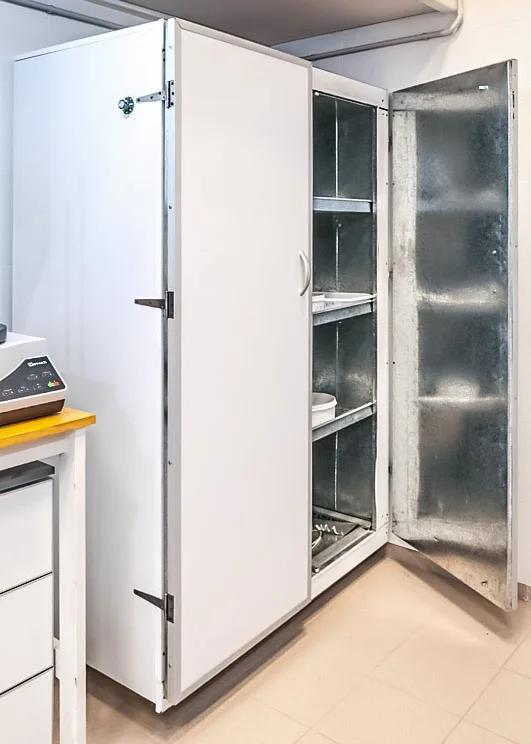
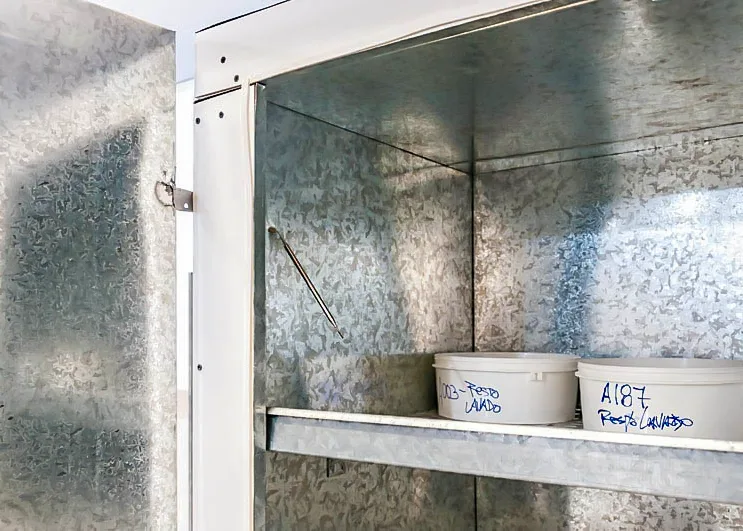
Sample dryer
The drying of samples can be a slow process if it is carried out at ambient air temperatures and flows. To reduce the time of this process and prevent the thermal incursions that can occur with sun drying, as made in other laboratories, an electric dryer was developed that controls the drying temperature of the samples between 20ºC and 40ºC, with constant surrounding air flux.
Acid solutions temperature control
Precise control of temperature of the acid solutions is key in the process of sample etching.
As specified by the test protocol this temperature must be of 20ºC, which can be higher or lower than the ambient temperature, thus making necessary temperature adjustments, heating or cooling the solutions accordingly. Which device allows both processes? A conventional electric heater can only raise the temperature, while a refrigerator can cool it down as the only alternative…
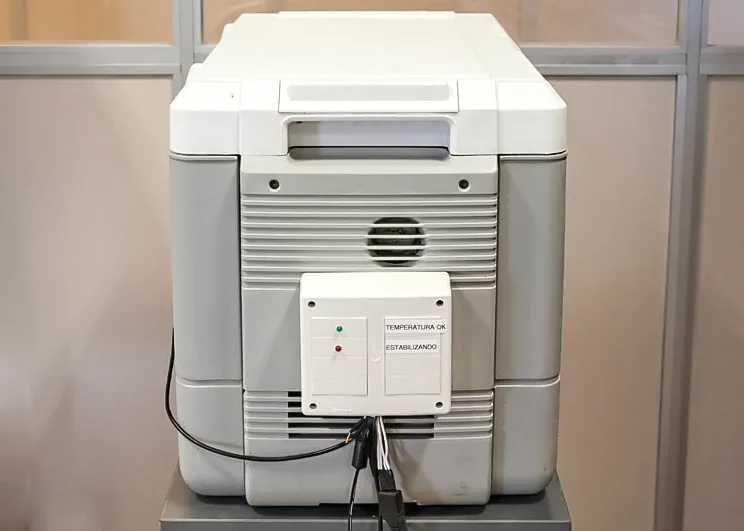
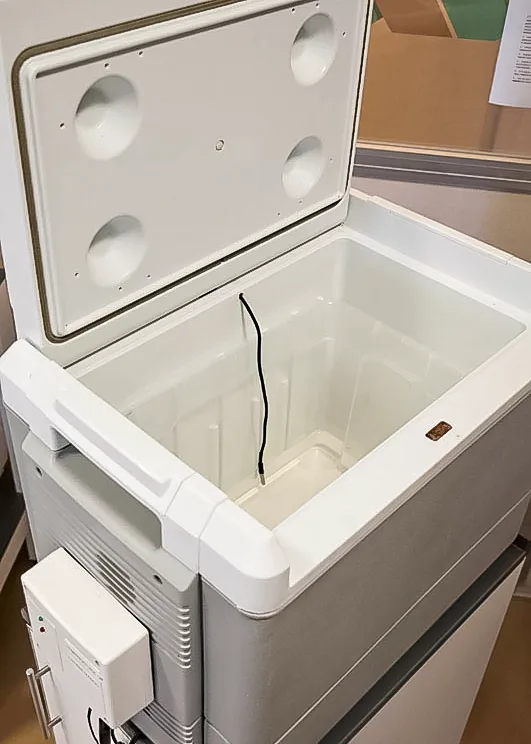
The solution devised was a thermostatic control using an electric cooler that incorporates a Peltier cell, an electrical device capable of dissipating or absorbing thermal power from its environment (thus heating or cooling) according to their electrical feeding polarity. The system incorporates an internal temperature sensor and an embedded system based on an Arduino board that executes the control algorithm to keep the temperature exactly at the desired value, heating or cooling the solution as necessary.